Mark Maggiori Paintings For Sale – Brokers are well-versed in valuation, marketing, negotiation, and closing procedures, which makes them invaluable assets in the business-for-sale process. Additionally, second-hand furniture allows buyers to find unique items that may not be available in traditional furniture stores. In this world, emotions can feel like products, available to be consumed at will and disposed of when they no longer serve a purpose. The idea that everything is for sale works to perpetuate inequality, as those with the most resources can continue to amass power and wealth, while others are left to scramble for what little they can get. The business-for-sale market continues to evolve, influenced by economic trends, technological advancements, and shifts in consumer behavior, but one thing remains clear: buying and selling businesses will always be a fundamental part of the global economy. Whether it’s funding education, supporting homelessness services, or providing medical assistance, the money spent in second-hand shops can contribute to making a difference in the lives of others. A high-quality winter coat, for example, will keep you warm and dry through years of cold weather, offering comfort and protection that a cheaper, mass-produced coat cannot match. There’s something deeply satisfying about using an item that was crafted with skill and attention. These professionals help connect buyers with sellers, ensuring that both parties are well-informed and that the transaction process is as smooth as possible. When people choose quality goods, they are choosing longevity over convenience, enduring craftsmanship over temporary trends, and often, a timeless aesthetic over what is in vogue today. Vintage clothing, in particular, has gained a significant following, with people seeking out unique, one-of-a-kind pieces that cannot be found in mainstream stores. While there are certainly markets where affordable goods are a necessity, quality goods for sale often come with a premium price tag. Online marketplaces have opened up opportunities for people to buy and sell goods from the comfort of their own homes. Unlike starting a business from scratch, which requires time to build a reputation and establish market credibility, buying an existing business means stepping into an environment where some of the groundwork has already been done. They are investments, not just purchases, and their value is often felt long after the original transaction has ended. Second-hand goods, especially those that are vintage or antique, often carry a sense of history and craftsmanship that can be missing from mass-produced products. It is subjective, shaped by cultural norms, individual preferences, and the evolving standards of various industries. For example, an old wooden chair might be sanded down and refinished into a modern piece of furniture, or a vintage dress might be altered to fit a contemporary style. It is also important to check the seller’s reputation and read reviews or feedback from previous buyers. But the financial aspect is only one part of the equation.

Mark Maggiori Superstition, The Land Of Thorns Oil Painting
Sign up onlinesign up for newsletterbuy onlineart market expert

Mark Maggiori Art for Sale
Sign up onlinesign up for newsletterbuy onlineart market expert

Mark Maggiori The Pathfinder For Sale at 1stDibs mark maggiori
Sign up onlinesign up for newsletterbuy onlineart market expert

Mark Maggiori Entering the Shrine (2022) Available for Sale Artsy
Sign up onlinesign up for newsletterbuy onlineart market expert

Entering The Shrine Artwork By Mark Maggiori Oil Painting & Art Prints
Sign up onlinesign up for newsletterbuy onlineart market expert

Mark Maggiori Superstition The Land of Thorn (2022) Available for
Sign up onlinesign up for newsletterbuy onlineart market expert
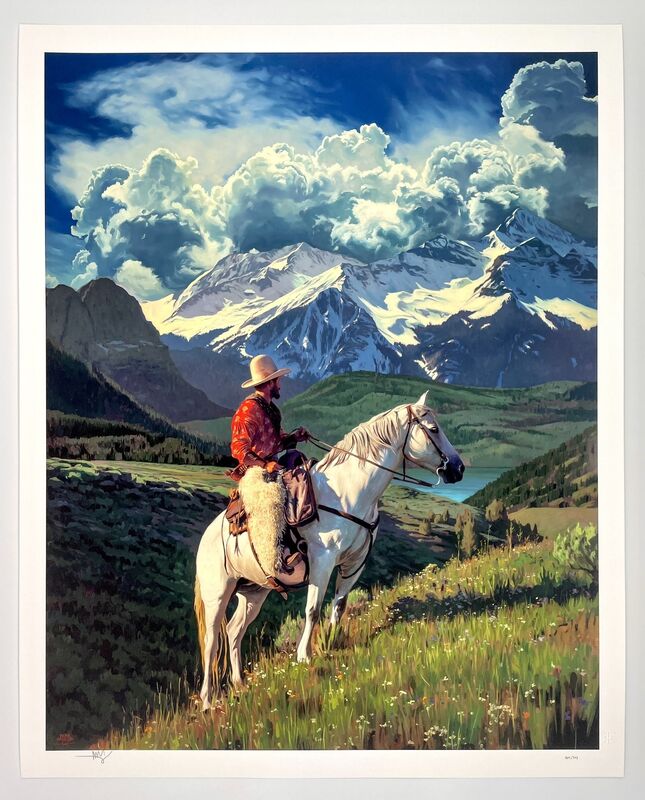
Mark Maggiori Living with Mountains (2022) Available for Sale Artsy
Sign up onlinesign up for newsletterbuy onlineart market expert

Mark Maggiori Artwork for Sale at Online Auction Mark Maggiori
Sign up onlinesign up for newsletterbuy onlineart market expert

Mark Maggiori Living with Mountains (2022) Available for Sale Artsy
Sign up onlinesign up for newsletterbuy onlineart market expert

Mark Maggiori Arizona Wonders Scottsdale Art Auction, LLC
Sign up onlinesign up for newsletterbuy onlineart market expert
Those who are born into privilege have the means to buy their way to the top, while others are left behind, forced to sell their time, energy, and even their dignity in order to survive. The appeal of finding a hidden gem, something that has been cherished by someone else and is now available for a new owner, is a part of the allure of second-hand goods. Art, music, literature — these expressions of human creativity and emotion are not always bound by the rules of commerce. For sellers, online platforms provide a global marketplace, allowing them to reach a wider audience than they would through traditional brick-and-mortar stores. This connection between consumers and the creators of quality goods is something that’s been fostered for centuries. The business-for-sale market continues to evolve, influenced by economic trends, technological advancements, and shifts in consumer behavior, but one thing remains clear: buying and selling businesses will always be a fundamental part of the global economy. This sense of history and individuality is part of what makes second-hand shopping so appealing. For book lovers, buying second-hand books is an affordable way to build a library, and it can also be an opportunity to find rare or out-of-print titles that are no longer available in stores. Many brokers specialize in certain industries or types of businesses, allowing them to better serve their clients by offering specialized knowledge and advice. They also have access to networks of potential buyers and sellers, which can help expedite the sale process and increase the chances of a successful transaction. This shift in mindset has contributed to a growing acceptance and even celebration of second-hand shopping, making it a mainstream activity that is not just about saving money but about making more thoughtful and responsible choices. With just a few clicks, consumers can browse through thousands of listings for second-hand items from all over the world. Thrifted clothing, vintage furniture, and pre-owned electronics are often seen as more authentic and unique than brand-new, mass-produced items. Quality goods stand in stark contrast to this cycle. Sellers often find themselves in a strange position, balancing the emotional attachment to the item with the rational need to let it go. For many, purchasing second-hand goods is not just about saving money, but about embracing sustainability, supporting a circular economy, and contributing to a more environmentally conscious world. For many, owning a quality product means owning a piece of history, a connection to something larger than themselves. It’s a phrase that, at first glance, may seem simple and straightforward. For sellers, the market for second-hand goods offers an opportunity to declutter their homes and make some extra money. Buying second-hand goods has numerous advantages.
But is this a reflection of reality? Or is it an illusion we’ve created, an idea we’ve accepted in order to make sense of a world that increasingly revolves around consumption and profit?
At the core of this idea lies the assumption that everything, no matter how unique or rare, can be exchanged. Electronics are another category of second-hand goods that have seen a rise in popularity. Overpricing an item can lead to it sitting unsold, while underpricing it can result in lost potential revenue. Once an agreement is reached, the final step is the legal transfer of ownership. This ensures that the product is fully functional and free of defects, providing peace of mind for buyers. While many artists and creators are forced to sell their work in order to make a living, there is still a sense of purity in the act of creation. This subjective nature of value is what makes the “for sale” market so dynamic. Unlike mass-produced items that may become outdated or fall apart with minimal use, quality products are designed to endure. The business-for-sale market continues to evolve, influenced by economic trends, technological advancements, and shifts in consumer behavior, but one thing remains clear: buying and selling businesses will always be a fundamental part of the global economy. For those on the outside looking in, the idea of acquiring an existing business might seem both enticing and overwhelming. This is particularly important in a world where design has become a central element in consumer decision-making. Quality goods stand in stark contrast to this cycle. On the other, there’s the challenge of assessing the true value of a business, navigating the complex negotiations, and ensuring that the business is a sound investment in terms of both its financial health and its long-term viability. Most new items, particularly electronics, are designed with built-in obsolescence. There are communities that exist outside the realm of traditional commerce, where sharing, collaboration, and mutual support take precedence over profit. The first and most obvious reason is the tangible benefits they offer. Websites and apps like eBay, Craigslist, Facebook Marketplace, and Poshmark have made it easier than ever to find second-hand goods for sale, offering a wider selection and more convenience than traditional brick-and-mortar stores. Many high-quality products come with a rich history, whether it’s the legacy of a renowned brand or the personal touch of a local maker. The idea of buying things that were once owned by someone else is no longer considered taboo or lesser; rather, it has become a lifestyle choice for those who want to make smarter, more ethical purchasing decisions. Are there things that should be kept beyond the realm of trade? Or has the marketplace — with its insatiable demand and promise of exchange — seeped into every facet of our being?
If everything is for sale, then the concept of value itself becomes fluid, subjective, and often manipulated.