Land For Sale In Opelousas La – On one hand, there’s the potential for an established client base, proven systems, and a recognizably brand name. The rise of online platforms has transformed the way second-hand goods are bought and sold. Whether buying vintage clothing, upcycled furniture, or pre-owned electronics, the growing popularity of second-hand shopping reflects a broader desire for more sustainable, creative, and conscious ways of living. It involves an in-depth understanding of the business’s financials, operations, and market position. The perceived high cost of these items has led some to opt for cheaper alternatives. The internet, for example, has created a space where anyone can buy or sell almost anything, from physical products to intangible services. Manufacturing new items requires energy, raw materials, and natural resources, all of which contribute to environmental degradation. While the online second-hand market has flourished, traditional thrift stores and second-hand shops continue to play an important role in the buying and selling of pre-owned goods. This typically involves drafting and signing a sale agreement, which outlines the terms and conditions of the transaction. Books, records, and collectibles are also highly sought after in the second-hand market. A well-made product simply performs better. Whether through thrift stores, flea markets, online platforms, or garage sales, second-hand goods provide consumers with an opportunity to find items they might not otherwise be able to afford, while also contributing to a circular economy where products are reused and repurposed. Success after the acquisition depends on a variety of factors, such as effective leadership, market conditions, and the buyer’s ability to make improvements and capitalize on growth opportunities. Both buyers and sellers should approach transactions with honesty and transparency to ensure a smooth exchange. These platforms allow buyers to browse listings, access detailed business profiles, and initiate contact with sellers, all from the comfort of their own home. This desire for items with character and a story behind them has contributed to the growing appeal of second-hand goods. What was once limited to boutique shops or high-end department stores can now be purchased from the comfort of one’s home. On the other, there’s the challenge of assessing the true value of a business, navigating the complex negotiations, and ensuring that the business is a sound investment in terms of both its financial health and its long-term viability. These platforms provide a convenient way for sellers to connect with potential buyers, set their prices, and arrange for shipping or pick-up. People are rediscovering the value of items that have been made by hand, with care and skill, as opposed to the impersonal, assembly-line products that dominate the marketplace.

10 Acres of Land for Sale in Opelousas, Louisiana LandSearch
Estimated home valuesview recent price dropsneighborhood map view

0 US Hwy 190, Opelousas, LA 70570 Land for Sale
Estimated home valuesview recent price dropsneighborhood map view

3.27 Acres of Residential Land for Sale in Opelousas, Louisiana
Estimated home valuesview recent price dropsneighborhood map view

0 US Hwy 190, Opelousas, LA 70570 Land for Sale
Estimated home valuesview recent price dropsneighborhood map view

133.71 Acres of Land for Sale in Opelousas, Louisiana LandSearch
Estimated home valuesview recent price dropsneighborhood map view

Opelousas, Saint Landry Parish, LA House for sale Property ID
Estimated home valuesview recent price dropsneighborhood map view
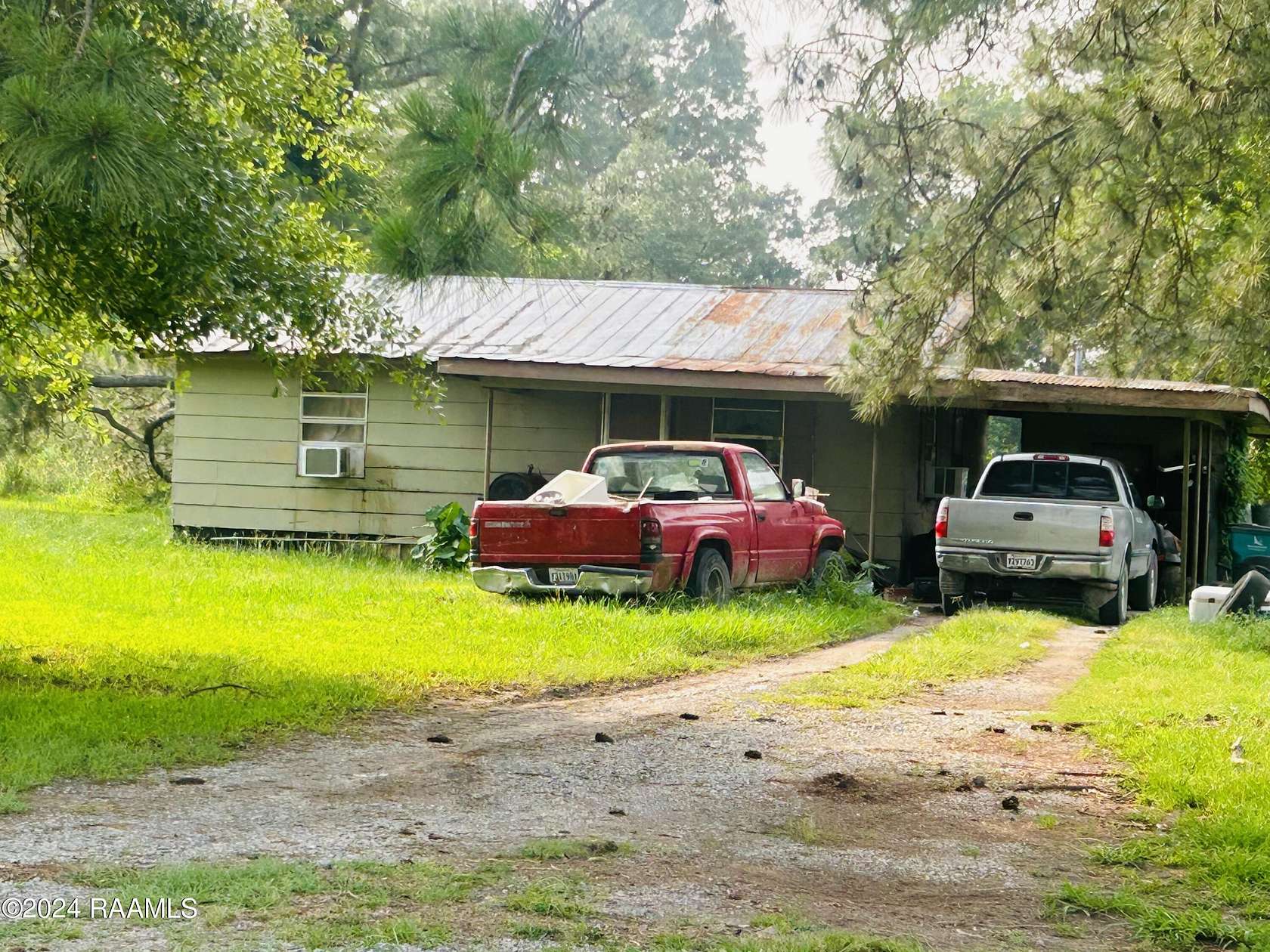
5.2 Acres of Residential Land with Home for Sale in Opelousas
Estimated home valuesview recent price dropsneighborhood map view

218 S Liberty St, Opelousas, LA 70570 Land for Sale 218 Liberty Street
Estimated home valuesview recent price dropsneighborhood map view

Opelousas, LA Land for Sale & Real Estate
Estimated home valuesview recent price dropsneighborhood map view

6.6 Acres of Land with Home for Sale in Opelousas, Louisiana LandSearch
Estimated home valuesview recent price dropsneighborhood map view
Second-hand goods for sale are no longer seen as inferior or out-of-date, but rather as a conscious, stylish, and eco-friendly choice. Beyond financial savings and environmental impact, second-hand goods also offer a sense of nostalgia and connection to the past. The materials used, whether it’s hardwood, durable fabrics, or premium upholstery, are chosen for their longevity and aesthetic appeal. The most obvious benefit is the cost savings. The same logic applies to tools, kitchen appliances, furniture, and even technology. Our emotional lives, our personal narratives, and even our deepest fears have been monetized. The idea of “buying quality” is not just a luxury; it’s a mindset that encourages consumers to think beyond the momentary gratification of cheap purchases and focus instead on long-term value and satisfaction. This shift in mindset has contributed to a growing acceptance and even celebration of second-hand shopping, making it a mainstream activity that is not just about saving money but about making more thoughtful and responsible choices. This subjective nature of value is what makes the “for sale” market so dynamic. One common concern is the risk of purchasing items that are damaged or not as described. This revival can be attributed to a combination of economic factors, growing awareness of environmental issues, and a shift in consumer attitudes toward sustainability and the value of pre-owned items. Even objects with little intrinsic value can be sold with great meaning. The perceived high cost of these items has led some to opt for cheaper alternatives. With the rise of e-commerce, the accessibility of quality goods for sale has expanded exponentially. Whether it’s a rare collectible, a discontinued item, or a vintage piece of clothing, online platforms offer a global marketplace where buyers and sellers can connect over products that may not be easily found elsewhere. Success after the acquisition depends on a variety of factors, such as effective leadership, market conditions, and the buyer’s ability to make improvements and capitalize on growth opportunities. The materials, labor, and expertise that go into crafting these items naturally make them more expensive. In this sense, purchasing pre-owned items can be seen as a form of social responsibility, as it helps create a positive impact that extends beyond the individual buyer. For people looking to furnish their homes, build a wardrobe, or invest in certain hobbies or collections, second-hand goods often provide a way to access items they might otherwise be unable to afford. A high-quality winter coat, for example, will keep you warm and dry through years of cold weather, offering comfort and protection that a cheaper, mass-produced coat cannot match.
In this broader sense, the concept of “for sale” is not just about the exchange of goods; it’s a driving force in the global economy, influencing how people live, work, and interact with the world around them. A new smartphone, for example, can cost hundreds of dollars, but buying a used one can cut the price down by more than half. Many buyers are drawn to industries where they already have experience, while others may seek a business in an entirely new field in order to diversify their portfolio. The longer something is used, the less likely it is to contribute to the growing problem of waste. These acts of generosity remind us that there are still things in life that cannot be bought, cannot be sold, and cannot be quantified. Therapists offer their services for a fee, and online courses promise to give us the knowledge we need to succeed — all in exchange for money. Second-hand goods, especially those that are vintage or antique, often carry a sense of history and craftsmanship that can be missing from mass-produced products. The idea that everything is for sale works to perpetuate inequality, as those with the most resources can continue to amass power and wealth, while others are left to scramble for what little they can get. But the price of quality goods can often be a barrier for many. They also have access to networks of potential buyers and sellers, which can help expedite the sale process and increase the chances of a successful transaction. It’s easy to understand why people seek out quality goods for sale. For environmentally conscious consumers, buying second-hand is not just a cost-effective choice, but a way to make a positive contribution to the planet. What will come next? What new opportunities will arise from this decision? When an item is placed “for sale,” it’s not just the object that’s changing hands; it’s often a reflection of the personal changes happening within the seller. Many high-quality products come with a rich history, whether it’s the legacy of a renowned brand or the personal touch of a local maker. In a world where everything is for sale, it’s easy for the vulnerable and the marginalized to be taken advantage of. While buying and selling second-hand items can come with its challenges, the rewards—both financially and environmentally—make it a worthwhile pursuit for many people. A car might be sold because it no longer serves the needs of its owner, or perhaps the owner is simply ready for a change. For sellers, online platforms can expand their reach to a global audience of potential buyers, increasing the chances of finding the right match for their business. A car is something that can hold a great deal of sentimental value. Moreover, buying second-hand items allows consumers to access unique and vintage products that may no longer be available in stores, offering a sense of individuality that is often missing from mass-produced, new items.