Hunting Land For Sale Arkansas – While the online second-hand market has flourished, traditional thrift stores and second-hand shops continue to play an important role in the buying and selling of pre-owned goods. When someone buys a second-hand item, whether it’s a piece of furniture passed down through generations or a retro jacket from a bygone era, they are not just acquiring an object; they are connecting to a story, a memory, or a cultural moment. Sellers can list items with detailed descriptions and high-quality photos, giving potential buyers a clear understanding of what they are purchasing. By purchasing second-hand goods, consumers help keep products circulating in the economy, giving them new life and purpose. It forces us to ask difficult questions about ownership, worth, and the limits of human desire. Most new items, particularly electronics, are designed with built-in obsolescence. They can assist in determining the right price for the business, marketing it to potential buyers, and managing the negotiation process. These professionals help connect buyers with sellers, ensuring that both parties are well-informed and that the transaction process is as smooth as possible. Self-help books and motivational speakers promise to sell us the tools to fix ourselves, to buy into a better version of who we could be. The truth is that the idea of quality is deeply rooted in the philosophy of craftsmanship, heritage, and trust, which explains why certain items, often categorized as quality goods, tend to be prized more than others, even when they may come with a higher price tag. However, there’s also an argument to be made that, over time, quality goods are often more economical in the long run. Selling such an item can be a difficult decision, yet it often represents the practical need to downsize or make space for something new. Similarly, gently used clothing from high-end brands can be found for a fraction of their original retail price. Once an agreement is reached, the final step is the legal transfer of ownership. For many, owning a quality product means owning a piece of history, a connection to something larger than themselves. Historically, many products were made by local craftsmen, and there was a direct relationship between the creator and the consumer. Some goods, like a fine Swiss watch, carry decades or even centuries of tradition, built on a reputation of precision and excellence. The idea of “everything for sale” challenges our understanding of what is sacred, what is essential, and what is truly priceless. Yet, despite this shift, the appeal of quality craftsmanship has not waned. By purchasing second-hand items, consumers can help reduce the demand for new products, thereby lessening the environmental impact associated with manufacturing and shipping.

Arkansas Hunting&Recreational Land W/River Frontage For Sale
Find your country escapesearch propertiesrequest informationsearch top us real estate Find real estate agentsexclusive home listingscompare bank foreclosures

Hunting/Recreational Land For Sale Arkansas Ozarks
Find your country escapesearch propertiesrequest informationsearch top us real estate Find real estate agentsexclusive home listingscompare bank foreclosures

Arkansas Land for sale, Deer Hunting, recreational property
Find real estate agentsexclusive home listingscompare bank foreclosures Find your country escapesearch propertiesrequest informationsearch top us real estate
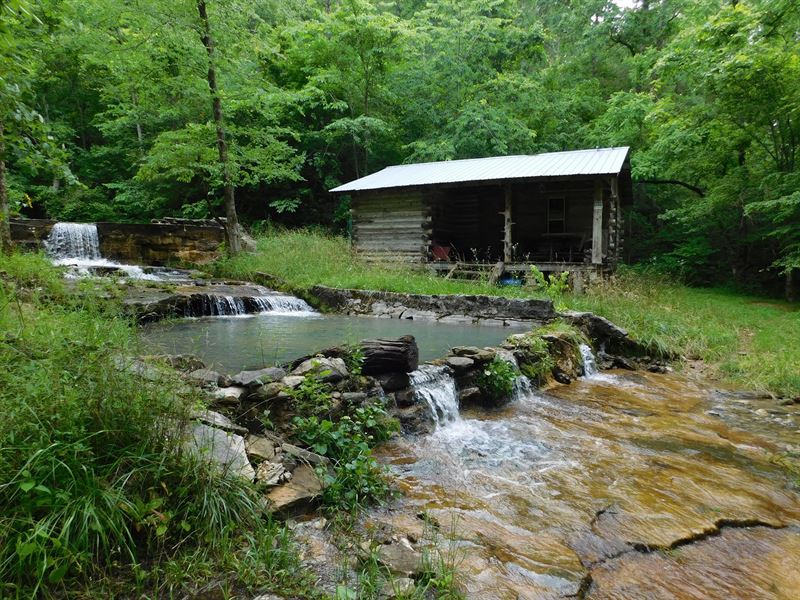
Large Hunting Recreational Land, Land for Sale in Arkansas, 247494
Find your country escapesearch propertiesrequest informationsearch top us real estate Find real estate agentsexclusive home listingscompare bank foreclosures
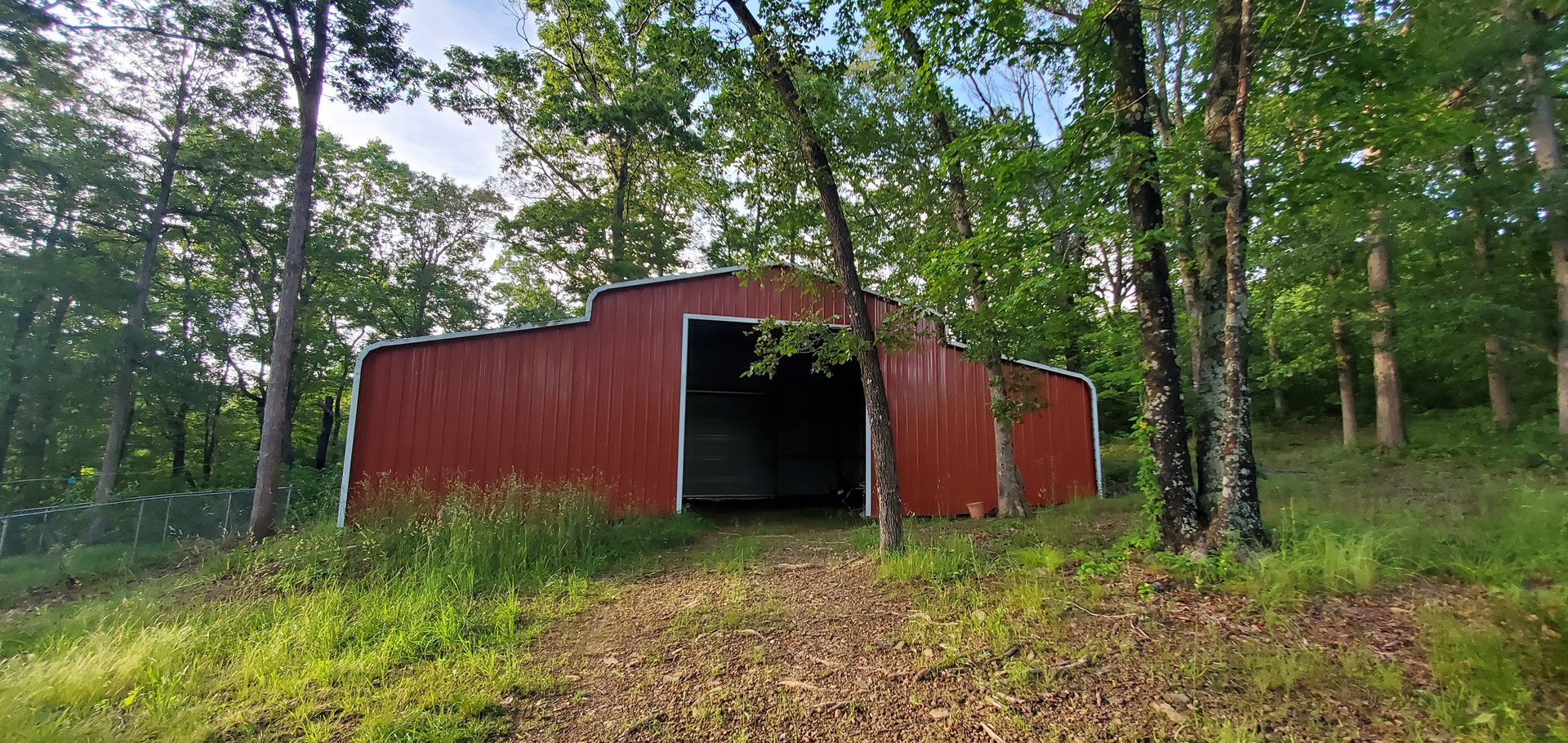
ARKANSAS HUNTING/RECREATIONAL LAND W/CABIN FOR SALE Mountain Property
Find real estate agentsexclusive home listingscompare bank foreclosures Find your country escapesearch propertiesrequest informationsearch top us real estate
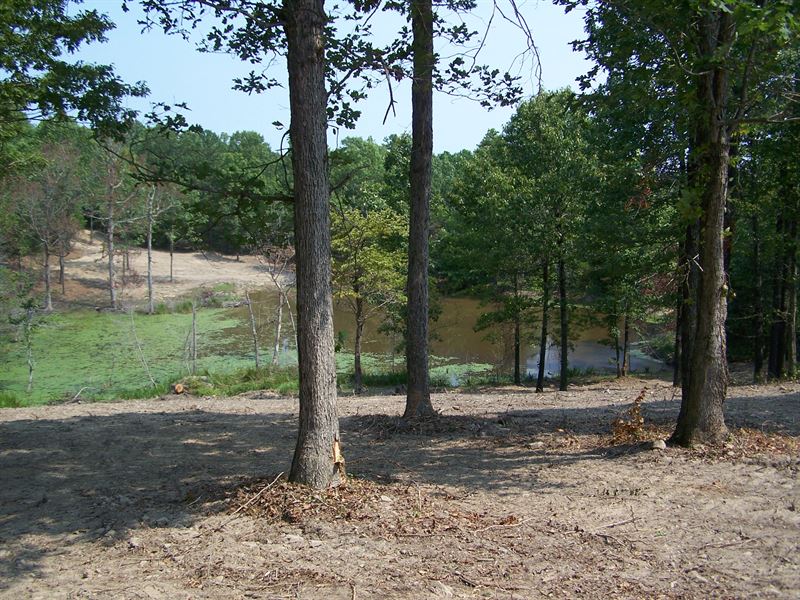
Prime Hunting Land for Sale, Ranch for Sale in Arkansas, 289765
Find your country escapesearch propertiesrequest informationsearch top us real estate Find real estate agentsexclusive home listingscompare bank foreclosures

Arkansas Hunting/Recreational Land W/Cabin For Sale
Find your country escapesearch propertiesrequest informationsearch top us real estate Find real estate agentsexclusive home listingscompare bank foreclosures
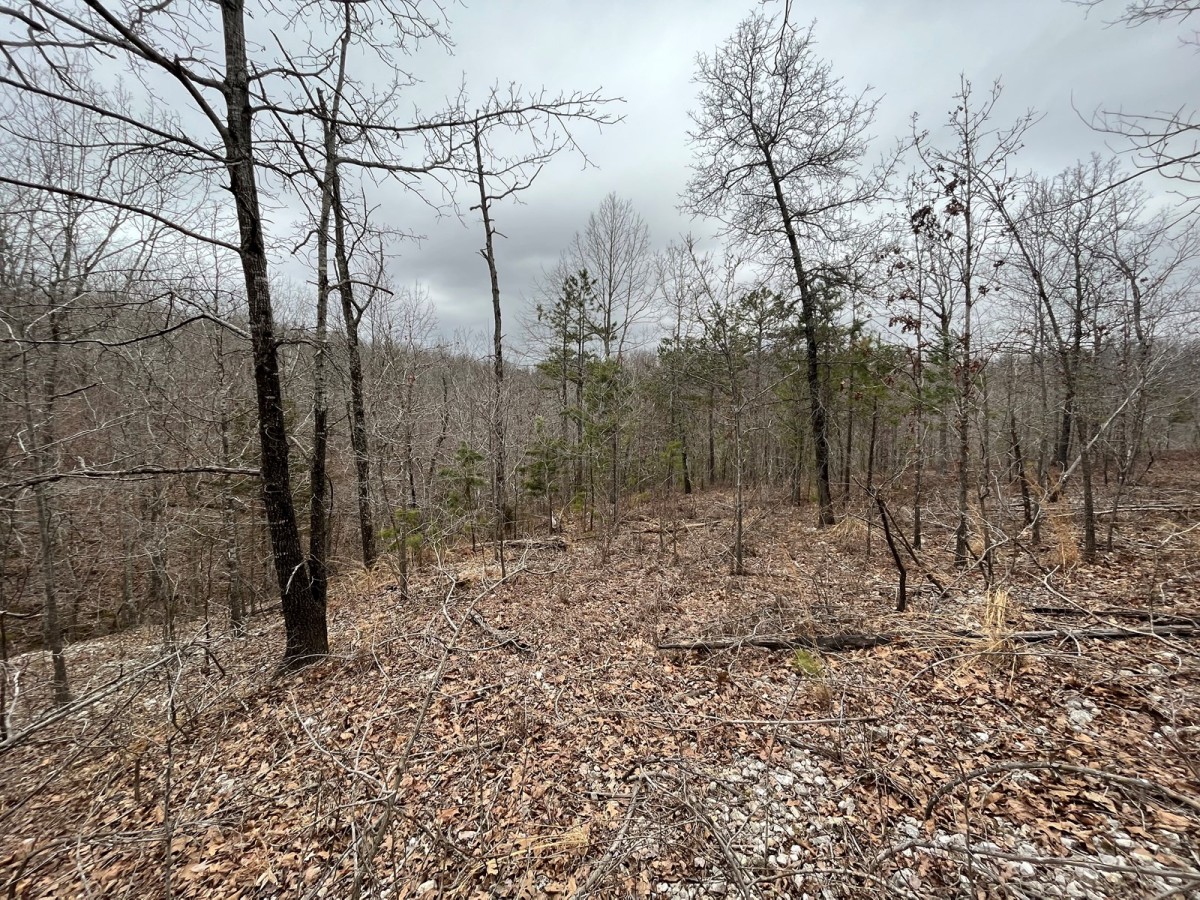
Arkansas Mountain Recreational/Hunting Property For Sale
Find your country escapesearch propertiesrequest informationsearch top us real estate Find real estate agentsexclusive home listingscompare bank foreclosures

Hunting/Recreational Land For Sale Arkansas Ozarks
Find real estate agentsexclusive home listingscompare bank foreclosures Find your country escapesearch propertiesrequest informationsearch top us real estate

Kingston AR Hunting Land for Sale, Farm for Sale in Arkansas, 205944
Find your country escapesearch propertiesrequest informationsearch top us real estate Find real estate agentsexclusive home listingscompare bank foreclosures
One of the key defining features of quality goods for sale is their ability to stand the test of time. The global marketplace, with its constant buying and selling, influences everything from politics to the environment, creating ripple effects that are felt far beyond the immediate transaction. Unlike starting a business from scratch, which requires time to build a reputation and establish market credibility, buying an existing business means stepping into an environment where some of the groundwork has already been done. Sellers can list items with detailed descriptions and high-quality photos, giving potential buyers a clear understanding of what they are purchasing. These goods, once owned and used by someone else, offer a unique opportunity for both sellers and buyers to exchange items that might otherwise go unused. Historically, many products were made by local craftsmen, and there was a direct relationship between the creator and the consumer. This subjective nature of value is what makes the “for sale” market so dynamic. The sale process itself can be lengthy and involves multiple stages. With the rise of online platforms and a growing cultural shift toward sustainability, the second-hand market continues to thrive, providing consumers with more options and opportunities than ever before. For sale, it seems like a simple phrase, yet it carries with it an array of possibilities, emotions, and decisions that can shape someone’s life. When it’s put up for sale, it can bring with it a sense of loss, as if a piece of the seller’s life is being taken away. Both the buyer and the seller are seeking the best possible terms, and finding common ground can be a challenge. There’s something deeply satisfying about using an item that was crafted with skill and attention. With just a few clicks, consumers can browse through thousands of listings for second-hand items from all over the world. Workers are often paid meager wages for their labor, while corporations amass wealth. The ability to share knowledge, ideas, and resources has empowered individuals in ways that were previously unimaginable. It’s easy to understand why people seek out quality goods for sale. For sellers, online platforms provide a global marketplace, allowing them to reach a wider audience than they would through traditional brick-and-mortar stores. This has made it easier for people to find items that might have otherwise been out of reach, whether it’s a rare collectible, an antique, or a product from another country. For those who enjoy the tactile experience of shopping and the sense of discovery that comes with it, thrift stores offer a personal and immersive way to shop for second-hand items.
There are communities that exist outside the realm of traditional commerce, where sharing, collaboration, and mutual support take precedence over profit. They remind us that, despite living in a world where everything is for sale, there are some things that remain priceless. Second-hand markets also promote the idea of a circular economy, an economic system that focuses on reducing waste and reusing products. Even objects with little intrinsic value can be sold with great meaning. To mitigate this risk, buyers should ask for detailed photos, read product descriptions carefully, and inquire about the condition of the item before making a purchase. These platforms often provide tools that help streamline the due diligence process, including access to financial documents, business valuations, and other relevant data. For the buyer, it can feel like a great opportunity, a chance to acquire something they’ve been searching for, or maybe just the satisfaction of knowing that a good deal is within reach. The practice of buying and selling second-hand items has been around for centuries, but in recent years, it has seen a resurgence. Historically, many products were made by local craftsmen, and there was a direct relationship between the creator and the consumer. The possibilities are endless, and the result is often something more unique and personal than what could be bought new. Sellers also have to deal with the emotional aspects of letting go of a business that they may have built over many years. The world may increasingly operate under the assumption that everything is for sale, but the human spirit, with its capacity for love, creativity, and compassion, refuses to be bought. The concept of “for sale” stretches beyond physical items. Some businesses are sold because the owner is ready to retire, while others might be sold due to financial difficulties or changes in the owner’s personal or professional life. Thrift stores often carry a wide variety of goods, from clothing and accessories to furniture, books, and electronics, and each item comes with its own story. Sellers can list items with detailed descriptions and high-quality photos, giving potential buyers a clear understanding of what they are purchasing. In both cases, there’s a sense of vulnerability. These items are often crafted with a sense of purpose, where every stitch, joint, and component is carefully considered to create a product that not only functions well but looks beautiful in the process. These goods aren’t just products; they are symbols of craftsmanship, heritage, and pride. Whether it’s the affordability, the environmental impact, or the opportunity to find unique items, second-hand goods provide an alternative to traditional retail shopping that is both practical and sustainable.