Abandoned Factories For Sale – A well-maintained, quality leather jacket may last a lifetime, whereas a low-cost alternative might only hold up for a couple of seasons. When we begin to view everything through the lens of commerce, it’s easy to lose sight of the things that make life worth living — the moments that aren’t for sale, the experiences that can’t be bought. If the buyer is satisfied with the findings, the next step is usually negotiation. But the price of quality goods can often be a barrier for many. The dynamics of a sale can vary dramatically depending on the context. A home, a car, a piece of jewelry, a moment in time, a relationship — all of these things, at some point, become commodities. A piece of furniture, for instance, may hold sentimental value simply because it’s been in the family for generations. Social media platforms, for example, offer users a chance to buy into their own identity, to curate a version of themselves that is more appealing, more desirable, more marketable. People are not just looking for things that work well; they want products that elevate their environment and their experiences. The production of new goods often requires significant resources, such as raw materials, energy, and labor, while also generating waste and contributing to pollution. The growing interest in second-hand goods can also be attributed to shifting cultural attitudes toward consumption. Additionally, trends in sustainability and eco-conscious living have contributed to the growth of the second-hand market, as consumers become more aware of the environmental impact of their purchasing decisions. Legal experts are often involved at this stage to ensure that the transaction is conducted in compliance with all relevant laws and regulations. When a person creates something, they are offering a piece of themselves to the world, not for sale, but as a gift. While some people may be hesitant to purchase pre-owned electronics due to concerns about quality or reliability, the second-hand market for electronics has become increasingly trustworthy. A business for sale is not always as it appears on the surface, and the buyer must examine the company’s financial statements, contracts, debts, and even its customer relationships before deciding whether to proceed with the transaction. A car is something that can hold a great deal of sentimental value. In the world of quality goods for sale, there is also an inherent sense of value in the stories behind them. Self-help books and motivational speakers promise to sell us the tools to fix ourselves, to buy into a better version of who we could be. The sale process itself can be lengthy and involves multiple stages.

Amazing abandoned buildings for sale
Golf coursesreal estatecustomer supportany time
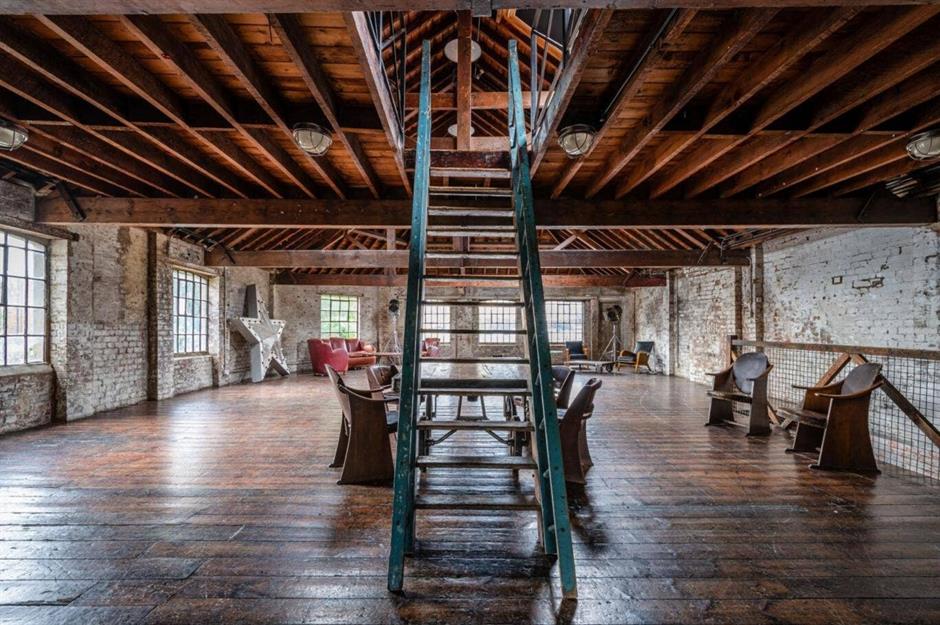
Abandoned industrial buildings for sale
Golf coursesreal estatecustomer supportany time
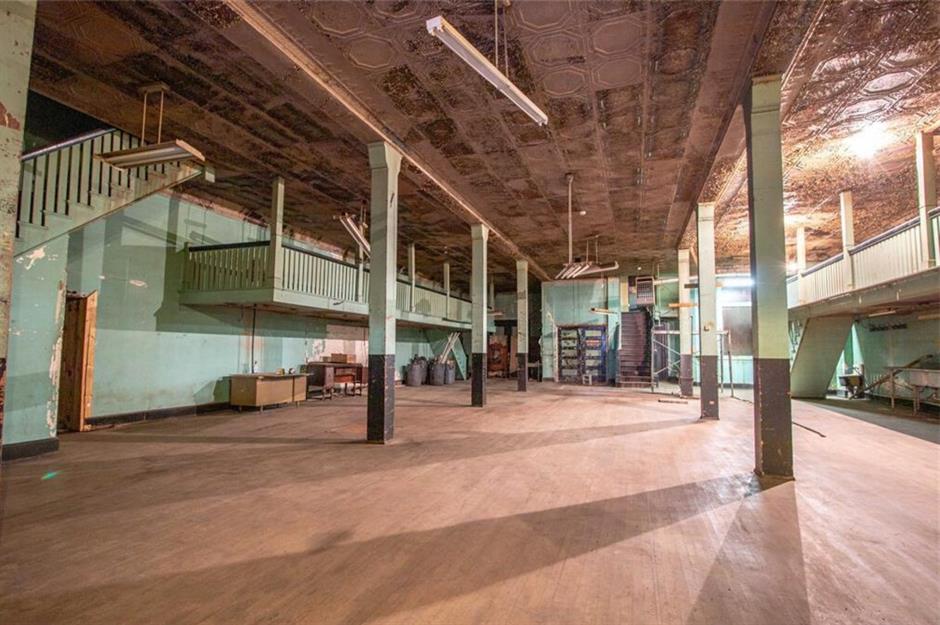
Abandoned industrial buildings for sale
Golf coursesreal estatecustomer supportany time
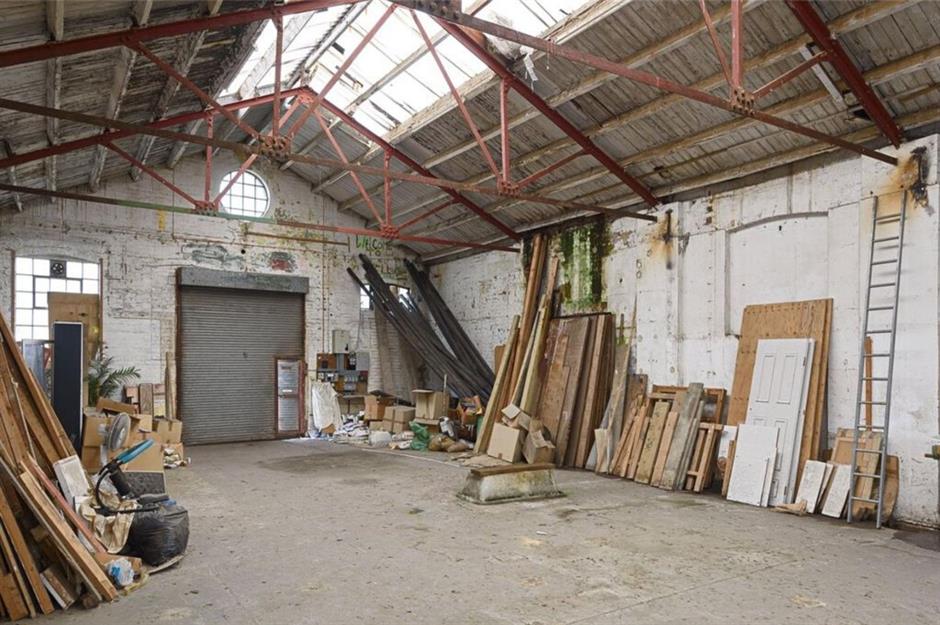
Abandoned industrial buildings for sale
Golf coursesreal estatecustomer supportany time
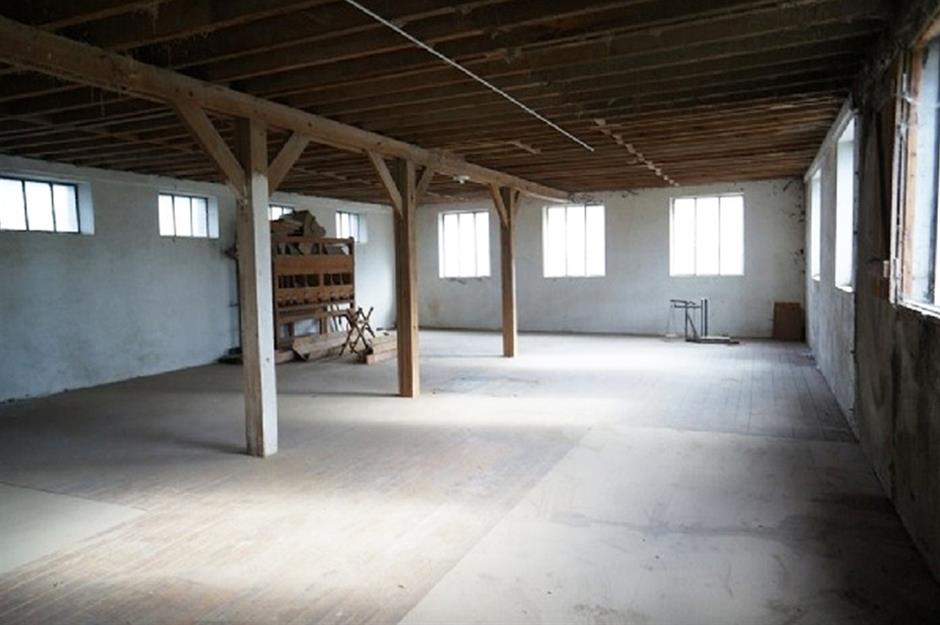
Abandoned industrial buildings for sale
Golf coursesreal estatecustomer supportany time

Abandoned industrial buildings for sale
Golf coursesreal estatecustomer supportany time

Abandoned industrial buildings for sale Abandoned
Golf coursesreal estatecustomer supportany time

Abandoned industrial buildings for sale
Golf coursesreal estatecustomer supportany time
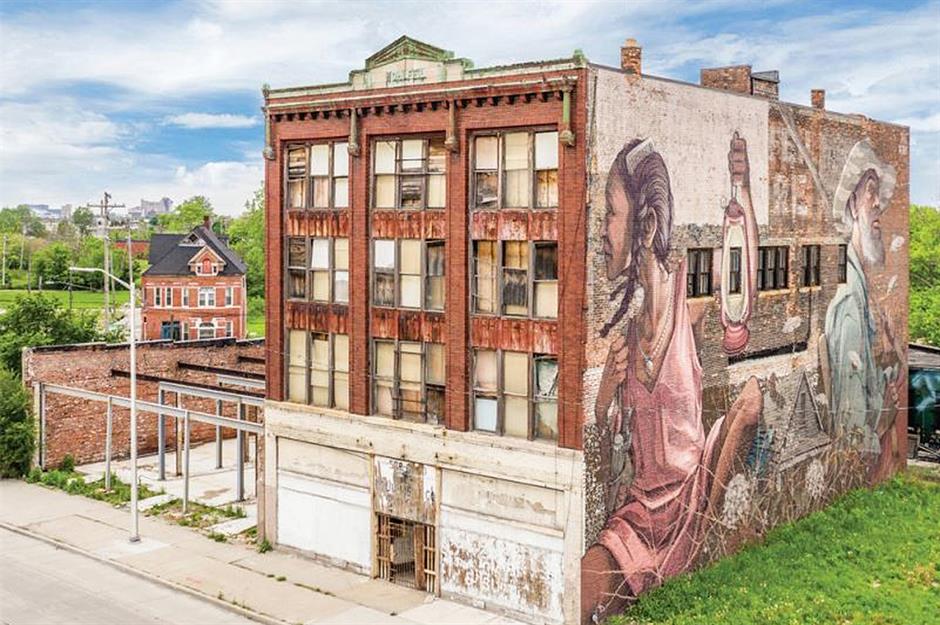
Abandoned industrial buildings for sale
Golf coursesreal estatecustomer supportany time
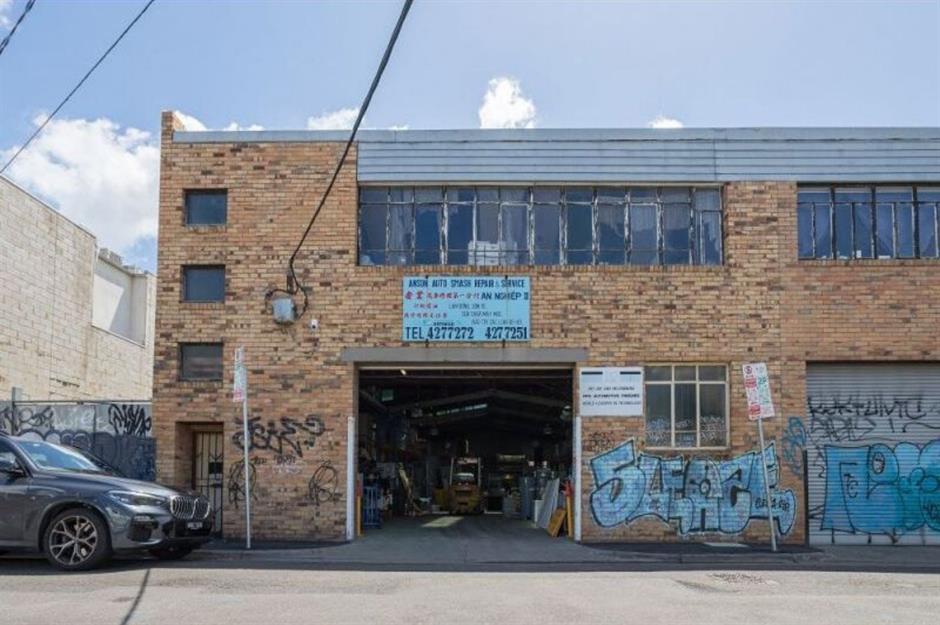
Abandoned industrial buildings for sale
Golf coursesreal estatecustomer supportany time
The result is a society that increasingly prioritizes consumption over connection, profit over meaning, and exchange over understanding. By buying second-hand goods, consumers can feel good about supporting their communities and giving back to those in need. Whether it’s vintage clothing, antique furniture, or used luxury watches, second-hand goods offer an opportunity for buyers to find quality items that are no longer available in stores. Additionally, brick-and-mortar thrift stores and consignment shops provide a more traditional avenue for selling second-hand goods. It carries with it a deep sense of commodification — the idea that every part of our lives, every piece of our history, every corner of our existence, has a price attached to it. The concept of quality, however, is not a one-size-fits-all. For the buyer, purchasing a home is a dream realized, a step toward security and stability. Unlike starting a business from scratch, which requires time to build a reputation and establish market credibility, buying an existing business means stepping into an environment where some of the groundwork has already been done. Despite the many advantages of buying and selling second-hand goods, there are some challenges that both buyers and sellers must navigate. It’s a small but significant way to make a positive impact on the planet, especially when one considers the volume of waste generated by fast fashion, electronic waste, and disposable goods. In a sense, the very nature of human existence can feel like a transaction. Thrift stores, estate sales, and online marketplaces are excellent places to find second-hand furniture, with options ranging from antique and vintage pieces to more contemporary items. Quality goods transcend trends and fleeting fads. These platforms have also made it easier for individuals to sell their own pre-owned goods, turning unused or unwanted items into cash. It doesn’t fall apart after a few uses, nor does it need to be replaced after a season. A home, a car, a piece of jewelry, a moment in time, a relationship — all of these things, at some point, become commodities. This sense of connection can also extend to the broader culture of quality goods, where consumers and creators share a commitment to excellence and a desire to preserve the craft and tradition behind these products. In conclusion, the sale of a business is a complex process that involves numerous steps, from identifying the right buyer or seller to completing due diligence and negotiating the terms of the transaction. Every click, every like, every follow, is part of an ongoing transaction. Whether it’s a rare collectible, a discontinued item, or a vintage piece of clothing, online platforms offer a global marketplace where buyers and sellers can connect over products that may not be easily found elsewhere.
For some, selling a business is a proactive decision to move on to new ventures, while for others, the sale might be the result of external factors, such as market downturns, changing consumer preferences, or regulatory shifts. Second-hand goods for sale have become an integral part of today’s economy, a trend that transcends geographic, economic, and cultural boundaries. Cars, too, are often sold with a sense of transition. One of the primary reasons people turn to second-hand goods for sale is financial. While the sale of a business can provide a valuable opportunity for both parties involved, it also carries risks. For some, selling something may feel like a sacrifice, while for others, it may feel like an investment in their future. Art, music, literature — these expressions of human creativity and emotion are not always bound by the rules of commerce. Whether buying vintage clothing, upcycled furniture, or pre-owned electronics, the growing popularity of second-hand shopping reflects a broader desire for more sustainable, creative, and conscious ways of living. In conclusion, the market for second-hand goods for sale is an ever-growing and dynamic space that offers numerous benefits to both buyers and sellers. The appeal of finding a hidden gem, something that has been cherished by someone else and is now available for a new owner, is a part of the allure of second-hand goods. The idea of buying things that were once owned by someone else is no longer considered taboo or lesser; rather, it has become a lifestyle choice for those who want to make smarter, more ethical purchasing decisions. In addition to individual sales, online marketplaces often feature businesses and professional sellers who specialize in second-hand goods, providing buyers with a curated selection of high-quality items. The buying and selling of companies, brands, and even entire industries can reshape economies, alter job markets, and redefine how goods and services are delivered. Yet, despite this shift, the appeal of quality craftsmanship has not waned. The perceived high cost of these items has led some to opt for cheaper alternatives. But in the end, whether it’s an item or an individual, the process of being “for sale” is a negotiation of worth, a moment of exchange. Many people continue to resist the notion that everything has a price, and they fight to reclaim what is meaningful and valuable in life. By purchasing second-hand items, consumers can help reduce the demand for new products, thereby lessening the environmental impact associated with manufacturing and shipping. Second-hand record stores and online marketplaces like Discogs have become hotspots for vinyl enthusiasts, providing a platform for buying, selling, and trading records. On the other hand, traditional industries such as brick-and-mortar retail or manufacturing may face challenges, with many businesses in these sectors looking to sell or transition due to changing market conditions.