Marine Betta For Sale – However, it’s also important to recognize the darker side of this freedom. For people looking to furnish their homes, build a wardrobe, or invest in certain hobbies or collections, second-hand goods often provide a way to access items they might otherwise be unable to afford. Second-hand record stores and online marketplaces like Discogs have become hotspots for vinyl enthusiasts, providing a platform for buying, selling, and trading records. In times of financial hardship, such as during recessions or periods of high unemployment, more people may turn to second-hand goods as a way to save money. Whether it’s a high-end designer handbag, a gently used sofa, or a vintage record player, the price difference between a new and a second-hand item can be significant. While the online second-hand market has flourished, traditional thrift stores and second-hand shops continue to play an important role in the buying and selling of pre-owned goods. We live in a society where people constantly trade their time for money, their expertise for compensation, their dreams for tangible rewards. For sellers, the challenge lies in pricing items fairly and accurately representing their condition. Both buyers and sellers should approach transactions with honesty and transparency to ensure a smooth exchange. It carries with it a deep sense of commodification — the idea that every part of our lives, every piece of our history, every corner of our existence, has a price attached to it. The appeal of finding a hidden gem, something that has been cherished by someone else and is now available for a new owner, is a part of the allure of second-hand goods. One common concern is the risk of purchasing items that are damaged or not as described. What was once limited to boutique shops or high-end department stores can now be purchased from the comfort of one’s home. Buyers can often filter search results by price, condition, and location, making it easier to find the best deals. Many buyers are drawn to industries where they already have experience, while others may seek a business in an entirely new field in order to diversify their portfolio. These platforms have also made it easier for individuals to sell their own pre-owned goods, turning unused or unwanted items into cash. There are those who argue that not everything should be for sale. For sellers, online platforms provide a global marketplace, allowing them to reach a wider audience than they would through traditional brick-and-mortar stores. For sellers, this creates an opportunity to declutter their homes and make some extra money, while buyers have access to a vast marketplace of affordable, unique, and sustainable products. Therapists offer their services for a fee, and online courses promise to give us the knowledge we need to succeed — all in exchange for money.

Male Halfmoon Doubletail Betta Petco
4.5/5 (9,887 reviews)

Salty Underground Marine Comet Betta (Calloplesiops altivelis)
4.5/5 (9,887 reviews)

Halfmoon Betta Marine Warehouse Aquarium
4.5/5 (9,887 reviews)
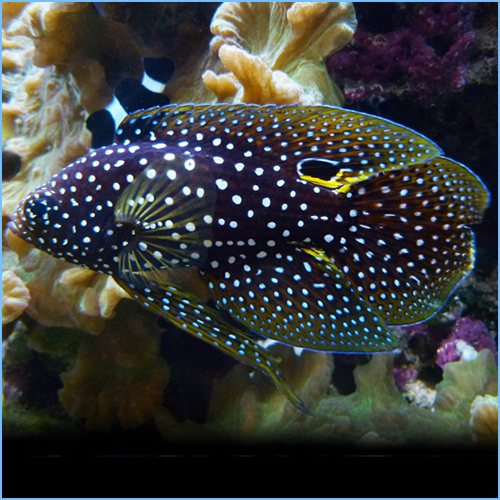
Marine Betta For Sale on Sale www.danzhao.cc
4.5/5 (9,887 reviews)

Marine Betta For Sale (Calloplesiops altivelis). TOP Care facts
4.5/5 (9,887 reviews)

Marine Betta (Calloplesiops altivelis) Aqua Imports
4.5/5 (9,887 reviews)

Female Betta Fish Splashy Fin Live Fish Bangalore Only Shipping
4.5/5 (9,887 reviews)

Marine Betta For Sale on Sale www.danzhao.cc
4.5/5 (9,887 reviews)

Marine Betta For Sale on Sale www.danzhao.cc
4.5/5 (9,887 reviews)
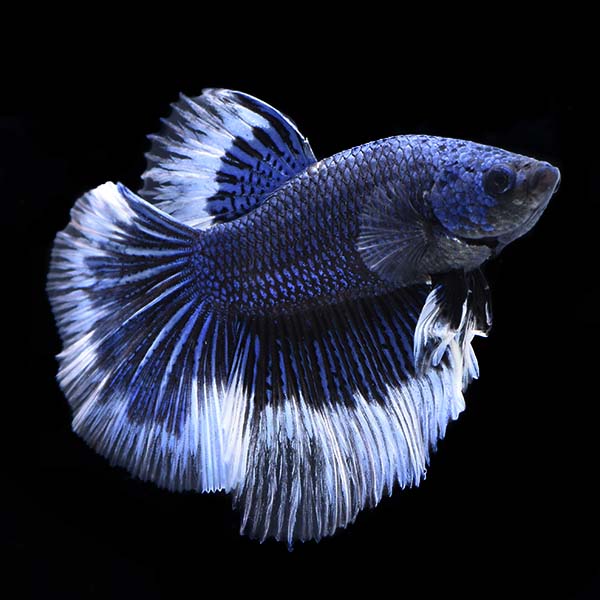
Premium Halfmoon Butterfly Betta Freshwater Betta fish (Betta
4.5/5 (9,887 reviews)
Second-hand markets also promote the idea of a circular economy, an economic system that focuses on reducing waste and reusing products. Whether buying vintage clothing, upcycled furniture, or pre-owned electronics, the growing popularity of second-hand shopping reflects a broader desire for more sustainable, creative, and conscious ways of living. A well-maintained, quality leather jacket may last a lifetime, whereas a low-cost alternative might only hold up for a couple of seasons. Websites like eBay, Craigslist, Facebook Marketplace, and Poshmark have made it easier than ever for individuals to sell their unwanted items and for buyers to find exactly what they are looking for. Thrifted clothing, vintage furniture, and pre-owned electronics are often seen as more authentic and unique than brand-new, mass-produced items. It’s a moment of transition, and as with all transitions, it brings with it both excitement and uncertainty. From the most trivial items in a dollar store to the most precious works of art in a museum, everything can be assigned a price. These platforms have also made it easier for individuals to sell their own pre-owned goods, turning unused or unwanted items into cash. On the other hand, traditional industries such as brick-and-mortar retail or manufacturing may face challenges, with many businesses in these sectors looking to sell or transition due to changing market conditions. A blacksmith might craft a sword, a tailor might stitch a suit, and a potter might mold a vase. The rise of minimalism and a desire for unique, vintage items has also played a role in the growing popularity of second-hand goods. Whether you’re the seller or the buyer, the phrase “for sale” is a reminder that everything in life is in constant motion, always moving toward something new, something different, something better. Books, records, and collectibles are also highly sought after in the second-hand market. Love becomes about what someone can provide in terms of material or emotional benefit, and friendships become alliances, where loyalty is traded for favor or influence. These acts of generosity remind us that there are still things in life that cannot be bought, cannot be sold, and cannot be quantified. Cars, too, are often sold with a sense of transition. In recent years, the market for businesses for sale has been affected by several global and local economic factors. For those on the outside looking in, the idea of acquiring an existing business might seem both enticing and overwhelming. The artist who created it may have one understanding of its worth, while a collector may see it as a valuable investment, and a casual admirer might simply appreciate its beauty without considering its monetary value. Whether buying or selling, the process requires careful consideration, transparent communication, and a thorough understanding of both the financial and operational aspects of the business.
In a world dominated by fast fashion, disposable electronics, and mass-produced items, many people are beginning to question the value of constantly purchasing new products. Sellers can list items with detailed descriptions and high-quality photos, giving potential buyers a clear understanding of what they are purchasing. Vintage clothing, in particular, has gained a significant following, with people seeking out unique, one-of-a-kind pieces that cannot be found in mainstream stores. People often feel like they are for sale, too, in various ways. Due diligence is a crucial part of the process, where the buyer investigates the business thoroughly to ensure that there are no hidden liabilities, potential risks, or operational inefficiencies. One of the major environmental concerns with new products is the waste that they often generate at the end of their life cycle. For those looking to sell, the online marketplace offers the chance to reach a larger audience, increasing the chances of finding the right buyer. The culture of buying second-hand goods is rapidly shifting in the modern world, particularly among younger generations. The buying and selling of companies, brands, and even entire industries can reshape economies, alter job markets, and redefine how goods and services are delivered. Second-hand goods for sale have become an integral part of today’s economy, a trend that transcends geographic, economic, and cultural boundaries. Quality goods for sale are not just limited to luxury items or high-end brands. But is this a reflection of reality? Or is it an illusion we’ve created, an idea we’ve accepted in order to make sense of a world that increasingly revolves around consumption and profit?
At the core of this idea lies the assumption that everything, no matter how unique or rare, can be exchanged. When we begin to view everything through the lens of commerce, it’s easy to lose sight of the things that make life worth living — the moments that aren’t for sale, the experiences that can’t be bought. A home, a car, a piece of jewelry, a moment in time, a relationship — all of these things, at some point, become commodities. Love becomes about what someone can provide in terms of material or emotional benefit, and friendships become alliances, where loyalty is traded for favor or influence. In fact, there’s been a resurgence of interest in artisanal, locally-made products, especially in industries like fashion, home decor, and food. Upcycling is a great way to make the most out of second-hand goods, adding both value and meaning to the items that are being repurposed. Some businesses are sold because the owner is ready to retire, while others might be sold due to financial difficulties or changes in the owner’s personal or professional life. Additionally, brick-and-mortar thrift stores and consignment shops provide a more traditional avenue for selling second-hand goods. In many cases, sellers may work with business brokers, financial advisors, or accountants to help value the business and identify potential buyers.