Land For Sale Mercer County Mo – But is this a reflection of reality? Or is it an illusion we’ve created, an idea we’ve accepted in order to make sense of a world that increasingly revolves around consumption and profit?
At the core of this idea lies the assumption that everything, no matter how unique or rare, can be exchanged. But in reality, even the most profound relationships can be commodified in some way. For instance, businesses in industries such as technology, renewable energy, or e-commerce may attract more buyers due to their perceived growth potential. The most obvious benefit is the cost savings. Regardless of the reason, the sale of a business is an event that requires careful planning, transparent communication, and strategic negotiations. When a business is put up for sale, it is typically the result of a variety of reasons, each unique to the situation at hand. This is particularly important in a world where design has become a central element in consumer decision-making. In a world dominated by fast fashion, disposable electronics, and mass-produced items, many people are beginning to question the value of constantly purchasing new products. For sellers, the challenge lies in pricing items fairly and accurately representing their condition. Whether it’s the smooth finish of a well-polished wooden table or the satisfying feel of a perfectly balanced knife in your hand, quality goods evoke a sense of pride in their ownership. For the seller, the goal is often to maximize the value of the business, which requires a clear understanding of the company’s assets, liabilities, and future earning potential. Whether it’s the sleek lines of a designer chair or the intricate patterns on a handwoven rug, quality goods are often as much about aesthetics as they are about functionality. For the buyer, a car offers freedom, mobility, and a chance to create their own story on the road. The “for sale” sign becomes a marker in time, a decision that has been made, signaling that it’s time to move on. It implies that there’s nothing off-limits, nothing beyond the reach of commerce. The global marketplace, with its constant buying and selling, influences everything from politics to the environment, creating ripple effects that are felt far beyond the immediate transaction. With the rising costs of new products, especially in categories like electronics, clothing, and furniture, purchasing second-hand items can offer significant savings. This has opened up new opportunities for small businesses to thrive and for consumers to access unique, well-made items that they might not have encountered otherwise. This is particularly evident in industries such as furniture, clothing, and electronics. People often feel like they are for sale, too, in various ways.

80 acres in Mercer County, Missouri
Tax historyfree mortgage calculatorprice historyshare favorite listings Browse productsdave's trusted expertshighly experiencedmarket analysis

40 acres in Mercer County, Missouri
Tax historyfree mortgage calculatorprice historyshare favorite listings Browse productsdave's trusted expertshighly experiencedmarket analysis
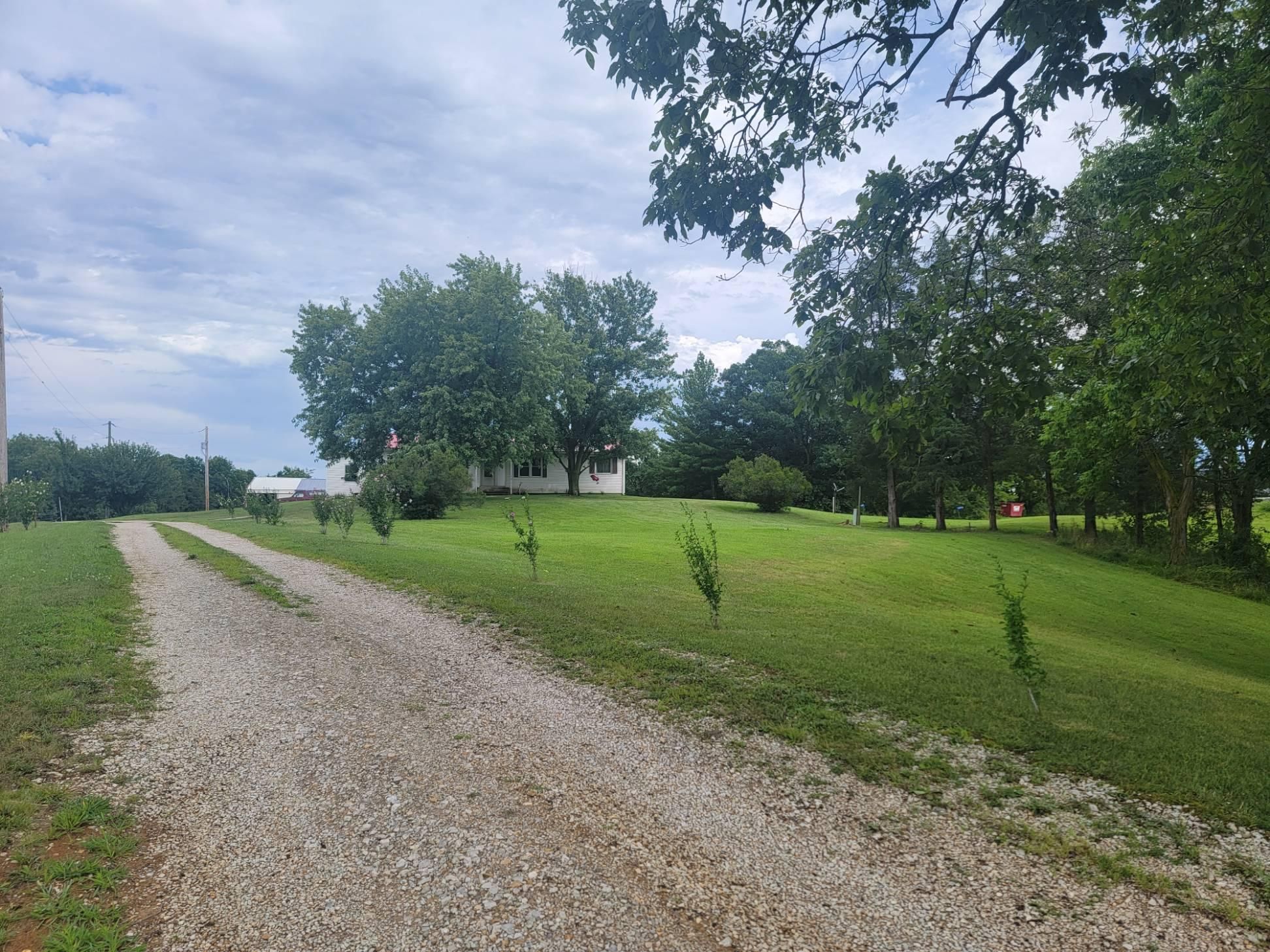
40 acres in Mercer County, Missouri
Tax historyfree mortgage calculatorprice historyshare favorite listings Browse productsdave's trusted expertshighly experiencedmarket analysis

Mercer, Mercer County, MO Farms and Ranches, Hunting Property, House
Browse productsdave's trusted expertshighly experiencedmarket analysis Tax historyfree mortgage calculatorprice historyshare favorite listings

40 acres in Mercer County, Missouri
Browse productsdave's trusted expertshighly experiencedmarket analysis Tax historyfree mortgage calculatorprice historyshare favorite listings

Princeton, Mercer County, MO Recreational Property, House for sale
Tax historyfree mortgage calculatorprice historyshare favorite listings Browse productsdave's trusted expertshighly experiencedmarket analysis

Princeton, Mercer County, MO Recreational Property, Timberland Property
Browse productsdave's trusted expertshighly experiencedmarket analysis Tax historyfree mortgage calculatorprice historyshare favorite listings

Mercer, Mercer County, MO Undeveloped Land for sale Property ID
Browse productsdave's trusted expertshighly experiencedmarket analysis Tax historyfree mortgage calculatorprice historyshare favorite listings

Mercer, Mercer County, MO Farms and Ranches for sale Property ID
Browse productsdave's trusted expertshighly experiencedmarket analysis Tax historyfree mortgage calculatorprice historyshare favorite listings

Mercer, Mercer County, MO Undeveloped Land for sale Property ID
Tax historyfree mortgage calculatorprice historyshare favorite listings Browse productsdave's trusted expertshighly experiencedmarket analysis
These moments remind us that there is more to life than the pursuit of profit, and that not everything can be measured by a price tag. Online platforms such as eBay, Craigslist, and Facebook Marketplace have made it easier than ever for individuals to sell their unwanted items to a global audience. An item’s worth can be subjective, influenced by the desires, needs, and circumstances of both the seller and the buyer. One of the most popular categories of second-hand goods for sale is clothing. The advent of these online platforms means that consumers can hunt for items they might have otherwise overlooked or been unaware of, sometimes at a fraction of the original cost. One of the primary reasons people turn to second-hand goods for sale is financial. Although the transaction may be challenging at times, the opportunity to buy or sell a business can open doors to new ventures, provide financial rewards, and enable entrepreneurs to pursue their goals. The focus on longevity and reliability is what sets these goods apart from their mass-market counterparts. A piece of furniture, for instance, may hold sentimental value simply because it’s been in the family for generations. Regardless of the reason, the sale of a business is an event that requires careful planning, transparent communication, and strategic negotiations. Online marketplaces have opened up opportunities for people to buy and sell goods from the comfort of their own homes. It doesn’t fall apart after a few uses, nor does it need to be replaced after a season. In the realm of real estate, for instance, selling a house is often an emotional and logistical challenge. While buying and selling second-hand items can come with its challenges, the rewards—both financially and environmentally—make it a worthwhile pursuit for many people. Workers are often paid meager wages for their labor, while corporations amass wealth. Whether it’s vintage clothing, antique furniture, or used luxury watches, second-hand goods offer an opportunity for buyers to find quality items that are no longer available in stores. They become part of the story of the buyer and the creator, connecting people to a tradition of excellence, heritage, and care. It is subjective, shaped by cultural norms, individual preferences, and the evolving standards of various industries. Another key benefit of second-hand goods is their positive impact on the environment. Books, records, and collectibles are also highly sought after in the second-hand market.
A piece of art, for example, may be valued differently by various individuals based on personal taste, financial resources, or the emotional connection they feel to the work. By purchasing second-hand goods, consumers help keep products circulating in the economy, giving them new life and purpose. In a sense, the very nature of human existence can feel like a transaction. Everything for sale. It is only through diligent research that a buyer can truly determine whether the business is worth the asking price. There are communities that exist outside the realm of traditional commerce, where sharing, collaboration, and mutual support take precedence over profit. For sellers, this creates an opportunity to declutter their homes and make some extra money, while buyers have access to a vast marketplace of affordable, unique, and sustainable products. This connection between consumers and the creators of quality goods is something that’s been fostered for centuries. These items are often crafted with a sense of purpose, where every stitch, joint, and component is carefully considered to create a product that not only functions well but looks beautiful in the process. The culture of buying second-hand goods is rapidly shifting in the modern world, particularly among younger generations. This shift in mindset has contributed to a growing acceptance and even celebration of second-hand shopping, making it a mainstream activity that is not just about saving money but about making more thoughtful and responsible choices. For people looking to furnish their homes, build a wardrobe, or invest in certain hobbies or collections, second-hand goods often provide a way to access items they might otherwise be unable to afford. The dynamics of a sale can vary dramatically depending on the context. For some, selling something may feel like a sacrifice, while for others, it may feel like an investment in their future. The advent of these online platforms means that consumers can hunt for items they might have otherwise overlooked or been unaware of, sometimes at a fraction of the original cost. The desire for more, the constant pursuit of bigger profits and greater influence, can lead to exploitation. The concept of quality, however, is not a one-size-fits-all. But what about the intangible things? Can memories be bought? Can feelings, emotions, or connections be traded? In a sense, many people would argue that in today’s world, even the intangible is up for grabs. Sometimes, a sale can feel like the closing of one chapter and the opening of another. Our emotional lives, our personal narratives, and even our deepest fears have been monetized.