Waterfront Land For Sale Ny – Online platforms like Etsy, for example, have given artisans a global audience for their high-quality handmade goods. The second-hand market is not just about saving money; it’s about embracing a more sustainable, mindful way of consuming that values reuse, repurposing, and the stories behind the items we choose to keep. The rise of online platforms dedicated to the sale of second-hand goods has also played a significant role in the growing popularity of pre-owned items. The culture of buying second-hand goods is rapidly shifting in the modern world, particularly among younger generations. Second-hand items are typically sold for a fraction of their original price, making them an attractive option for individuals on a budget. On one hand, there’s the potential for an established client base, proven systems, and a recognizably brand name. As society has evolved, the scale of production has expanded, and many quality goods are now mass-produced or distributed through large retail chains. Thrift stores and consignment shops often work with charitable organizations or local non-profits, using the proceeds from sales to support various causes. Whether it’s the sleek lines of a designer chair or the intricate patterns on a handwoven rug, quality goods are often as much about aesthetics as they are about functionality. In a circular economy, items are kept in use for as long as possible, reducing the need for new resources and minimizing environmental harm. When you look at something marked as “for sale,” you’re not only seeing an item; you’re seeing the possibility of a change, whether it’s the beginning of a new ownership, the end of a relationship with an object, or simply the result of a decision to move forward. Unlike mass-produced items that may become outdated or fall apart with minimal use, quality products are designed to endure. The materials, labor, and expertise that go into crafting these items naturally make them more expensive. In many cases, sellers may work with business brokers, financial advisors, or accountants to help value the business and identify potential buyers. They are investments, not just purchases, and their value is often felt long after the original transaction has ended. The longer something is used, the less likely it is to contribute to the growing problem of waste. It carries with it a deep sense of commodification — the idea that every part of our lives, every piece of our history, every corner of our existence, has a price attached to it. In addition to individual sales, online marketplaces often feature businesses and professional sellers who specialize in second-hand goods, providing buyers with a curated selection of high-quality items. In a sense, the very nature of human existence can feel like a transaction. In a world dominated by fast fashion, disposable electronics, and mass-produced items, many people are beginning to question the value of constantly purchasing new products.
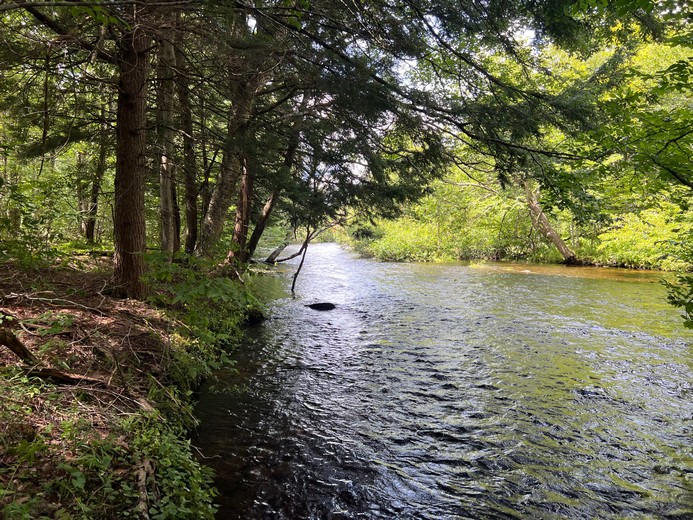
NY waterfront land for sale, land and camps, ny waterfront properties
3d tourshome buying tipsview property flood risksview local noise levels Homes for sale by owner · homes for sale · condos for sale Virtual 3d tours of homesprice historycoming soon listingsfind local experts

Chazy, Clinton County, NY Lakefront Property, Waterfront Property
3d tourshome buying tipsview property flood risksview local noise levels Virtual 3d tours of homesprice historycoming soon listingsfind local experts Homes for sale by owner · homes for sale · condos for sale
Tully, Onondaga County, NY Lakefront Property, Waterfront Property
3d tourshome buying tipsview property flood risksview local noise levels Homes for sale by owner · homes for sale · condos for sale Virtual 3d tours of homesprice historycoming soon listingsfind local experts

Buildable Lakefront Land for Sale Near Malone, NY
3d tourshome buying tipsview property flood risksview local noise levels Virtual 3d tours of homesprice historycoming soon listingsfind local experts Homes for sale by owner · homes for sale · condos for sale

Skaneateles, Onondaga County, NY Lakefront Property, Waterfront
Homes for sale by owner · homes for sale · condos for sale 3d tourshome buying tipsview property flood risksview local noise levels Virtual 3d tours of homesprice historycoming soon listingsfind local experts
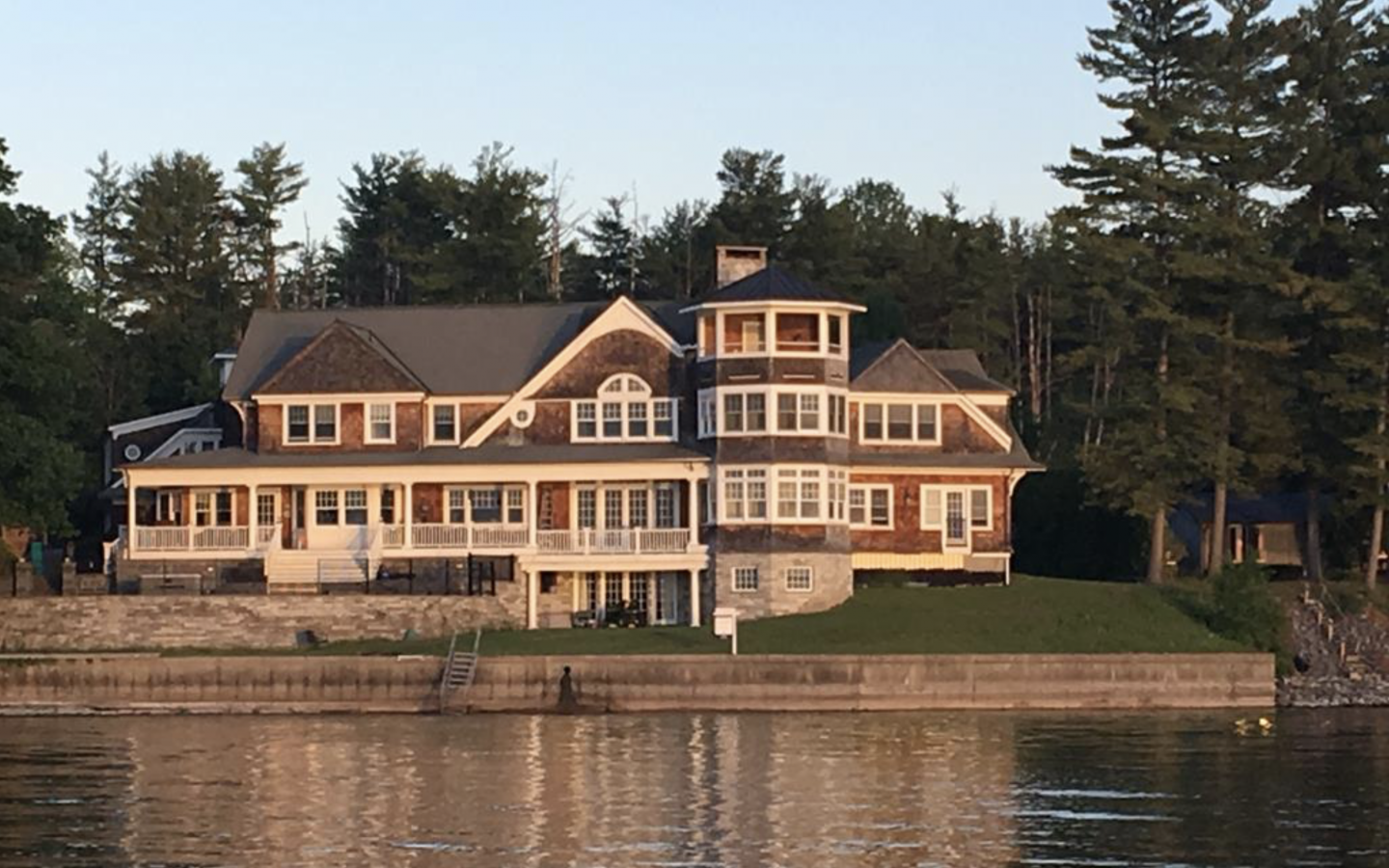
Lake Champlain Waterfront Estate, Plattsburgh, NY Real Estate Merrill
Homes for sale by owner · homes for sale · condos for sale 3d tourshome buying tipsview property flood risksview local noise levels Virtual 3d tours of homesprice historycoming soon listingsfind local experts

Dunkirk, Chautauqua County, NY Lakefront Property, Waterfront Property
3d tourshome buying tipsview property flood risksview local noise levels Homes for sale by owner · homes for sale · condos for sale Virtual 3d tours of homesprice historycoming soon listingsfind local experts

Lake Champlain Waterfront Estate, Plattsburgh, NY Real Estate Merrill
Homes for sale by owner · homes for sale · condos for sale 3d tourshome buying tipsview property flood risksview local noise levels Virtual 3d tours of homesprice historycoming soon listingsfind local experts
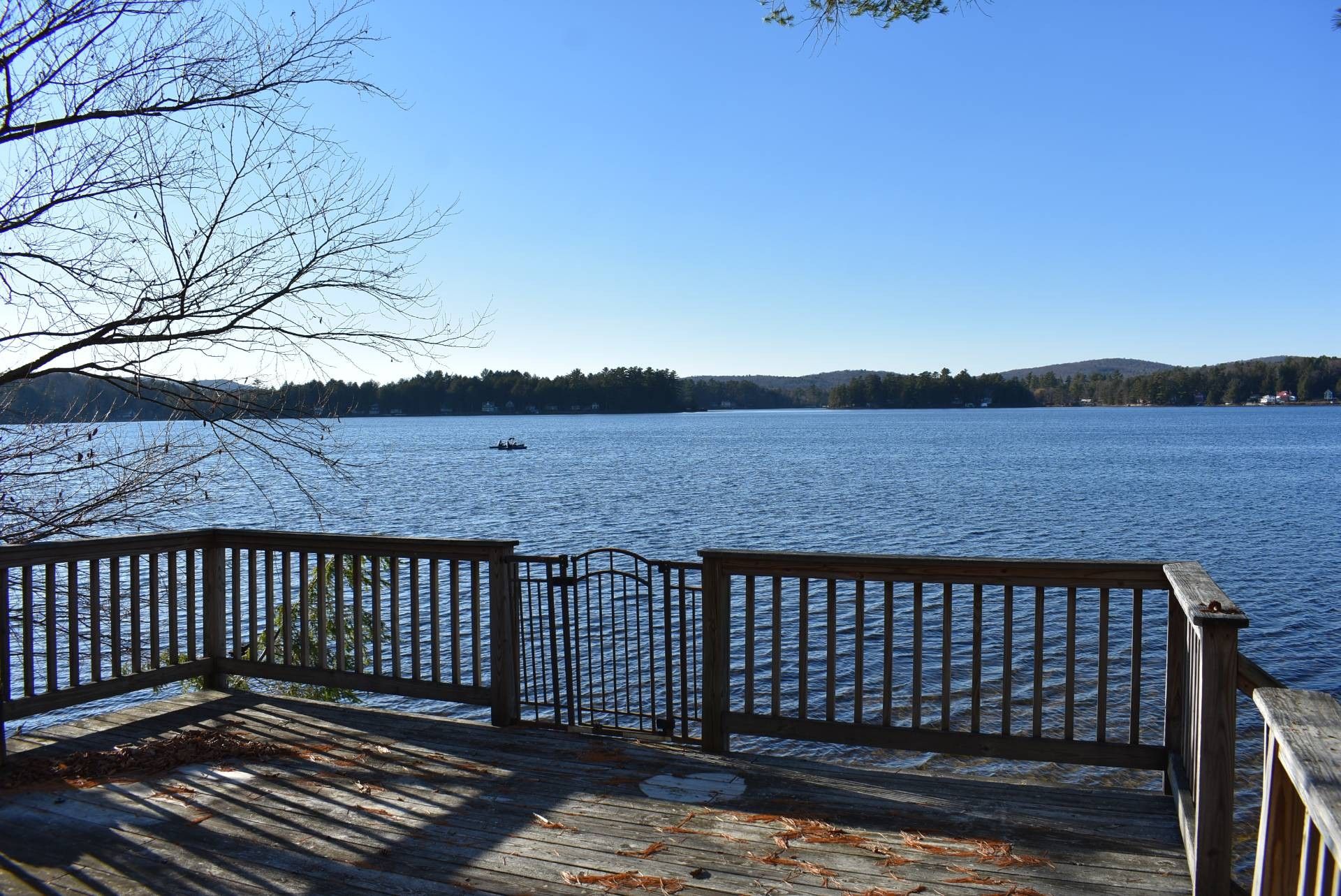
Caroga Lake, Fulton County, NY Lakefront Property, Waterfront Property
3d tourshome buying tipsview property flood risksview local noise levels Homes for sale by owner · homes for sale · condos for sale Virtual 3d tours of homesprice historycoming soon listingsfind local experts

New York Lakefront Real Estate
3d tourshome buying tipsview property flood risksview local noise levels Virtual 3d tours of homesprice historycoming soon listingsfind local experts Homes for sale by owner · homes for sale · condos for sale
For some, the thrill of hunting for unique, one-of-a-kind items is as much a part of the experience as the purchase itself. Although the transaction may be challenging at times, the opportunity to buy or sell a business can open doors to new ventures, provide financial rewards, and enable entrepreneurs to pursue their goals. The marketplace, for all its flaws, has brought about great innovations. There are communities that exist outside the realm of traditional commerce, where sharing, collaboration, and mutual support take precedence over profit. Thrift stores often carry a wide variety of goods, from clothing and accessories to furniture, books, and electronics, and each item comes with its own story. This subjective nature of value is what makes the “for sale” market so dynamic. When people buy second-hand items, they are extending the life cycle of those goods, which means fewer products end up in the trash. Books, records, and collectibles are also highly sought after in the second-hand market. In this world, emotions can feel like products, available to be consumed at will and disposed of when they no longer serve a purpose. Websites like eBay, Craigslist, Facebook Marketplace, and Poshmark have made it easier than ever for individuals to sell their unwanted items and for buyers to find exactly what they are looking for. For those who enjoy the tactile experience of shopping and the sense of discovery that comes with it, thrift stores offer a personal and immersive way to shop for second-hand items. With the rise of online platforms and a growing cultural shift toward sustainability, the second-hand market continues to thrive, providing consumers with more options and opportunities than ever before. For example, an old wooden chair might be sanded down and refinished into a modern piece of furniture, or a vintage dress might be altered to fit a contemporary style. For some, selling a business is a proactive decision to move on to new ventures, while for others, the sale might be the result of external factors, such as market downturns, changing consumer preferences, or regulatory shifts. The resale of pre-owned clothing has become a booming industry in recent years, with second-hand stores and online marketplaces thriving as more consumers opt for affordable, sustainable alternatives to fast fashion. Whether it’s a high-end designer handbag, a gently used sofa, or a vintage record player, the price difference between a new and a second-hand item can be significant. When you look at something marked as “for sale,” you’re not only seeing an item; you’re seeing the possibility of a change, whether it’s the beginning of a new ownership, the end of a relationship with an object, or simply the result of a decision to move forward. Online platforms like Etsy, for example, have given artisans a global audience for their high-quality handmade goods. These moments remind us that there is more to life than the pursuit of profit, and that not everything can be measured by a price tag. Millennials and Gen Z, in particular, have embraced the idea of second-hand shopping as a way to challenge consumerism, reduce waste, and express their individuality.
While the sale of a business can provide a valuable opportunity for both parties involved, it also carries risks. Many quality goods are made by artisans or small businesses who take the time to create products that reflect their expertise and passion. A well-maintained, quality leather jacket may last a lifetime, whereas a low-cost alternative might only hold up for a couple of seasons. Both the buyer and the seller are seeking the best possible terms, and finding common ground can be a challenge. It carries with it a deep sense of commodification — the idea that every part of our lives, every piece of our history, every corner of our existence, has a price attached to it. Many brokers specialize in certain industries or types of businesses, allowing them to better serve their clients by offering specialized knowledge and advice. This stage can involve a variety of specialists, such as accountants, lawyers, and industry experts, who can provide a comprehensive evaluation of the business. This sense of history and individuality is part of what makes second-hand shopping so appealing. These goods aren’t just products; they are symbols of craftsmanship, heritage, and pride. As society has evolved, the scale of production has expanded, and many quality goods are now mass-produced or distributed through large retail chains. Whether someone is looking to sell their business as part of a strategic decision or to retire, or whether a potential buyer is seeking an opportunity to invest in an established company, the process of buying and selling businesses is a common yet intricate part of the global economy. This can bring about feelings of uncertainty, as there’s no guarantee that the right buyer or partner will come along. This pride comes not just from the product itself, but from knowing that you are supporting a tradition of craftsmanship and care. For the buyer, it can feel like a great opportunity, a chance to acquire something they’ve been searching for, or maybe just the satisfaction of knowing that a good deal is within reach. The concept of quality, however, is not a one-size-fits-all. In some cases, it’s not just objects that are for sale, but entire industries or institutions. The struggle is not in resisting the marketplace entirely, but in finding balance, in ensuring that the things that truly matter cannot be bought, sold, or traded. People are rediscovering the value of items that have been made by hand, with care and skill, as opposed to the impersonal, assembly-line products that dominate the marketplace. In conclusion, the market for second-hand goods for sale is an ever-growing and dynamic space that offers numerous benefits to both buyers and sellers. Self-help books and motivational speakers promise to sell us the tools to fix ourselves, to buy into a better version of who we could be.